


Identifying Hail Damage on Your Roof: What You Need to Know About Hail Damage on Roofs
When a hailstorm rolls through, your roof takes the brunt of the impact. But how can you tell if your roof has suffered damage? Identifying hail damage on roofs is crucial to prevent further problems like leaks or structural issues. I’ve learned that spotting the damage early can save you a lot of time, money, and stress down the road. Let’s dive into what you should look for and how to handle it.
Understanding Hail Damage on Roofs
Hail damage on roofs can be tricky to spot, especially if you’re not sure what signs to look for. Hailstones vary in size, and even small ones can cause dents or cracks in roofing materials. The damage might not be obvious from the ground, so a closer inspection is often necessary.
Common roofing materials like asphalt shingles, metal, and tiles each react differently to hail. Asphalt shingles, for example, may show granule loss or bruising, while metal roofs might have dents or punctures. Knowing the type of roof you have helps you understand what kind of damage to expect.
Here are some typical signs of hail damage on roofs:
Dents or dings on metal flashing, gutters, or vents
Missing or cracked shingles
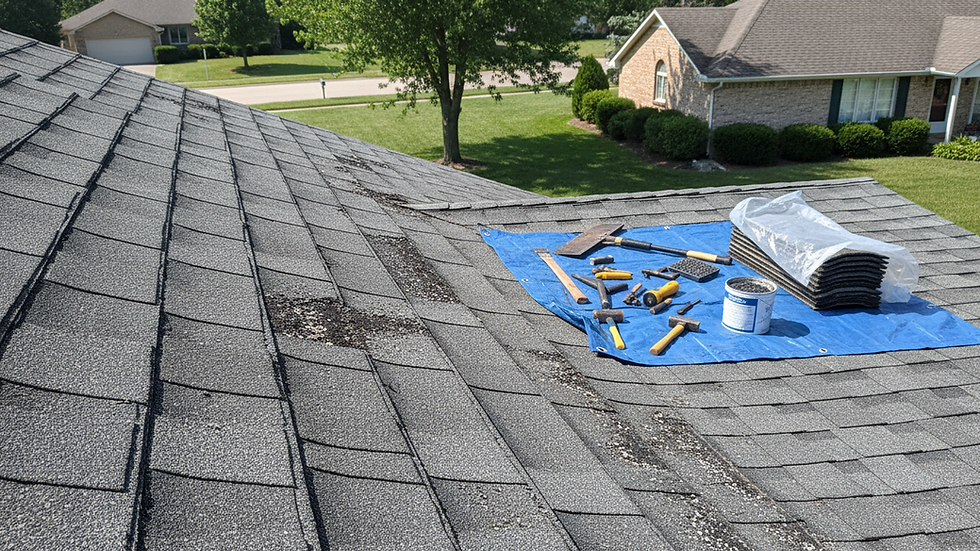
Granule loss on asphalt shingles, which looks like bald spots
Bruising on shingles, which feels soft or spongy when pressed
Cracks or fractures in tiles or slate roofing
If you want to learn more about the specific signs of hail damage on roof, this resource provides detailed descriptions and photos to help you identify issues.
How to Safely Inspect Your Roof for Hail Damage
Inspecting your roof after a hailstorm is important, but safety comes first. If you’re comfortable with heights and have the right equipment, you can do a basic inspection yourself. Otherwise, it’s best to call a professional.
Here’s a step-by-step guide to inspecting your roof safely:
Wait for the storm to pass completely and the weather to clear.
Use binoculars to scan your roof from the ground for obvious damage.
Check your gutters and downspouts for dents or granules washed off shingles.
Look for damaged vents, chimneys, and flashing around the roof.
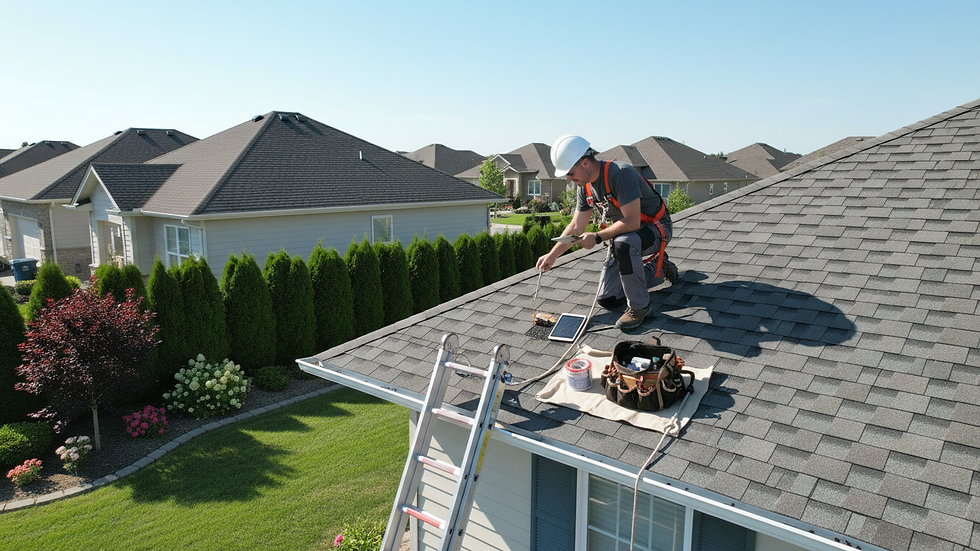
If you decide to climb up, use a sturdy ladder and wear non-slip shoes.
Walk carefully on the roof, avoiding weak spots.
Look closely at shingles for cracks, missing granules, or bruising.
Take photos of any damage you find for documentation.
Remember, some damage might be hidden under the shingles or in places you can’t see easily. If you’re unsure, hiring a roofing expert to perform a thorough inspection is a smart move.
Is it Worth Filing a Claim for Hail Damage?
After you’ve identified hail damage on your roof, you might wonder if filing an insurance claim is worth it. The answer depends on several factors, including the extent of the damage, your deductible, and your insurance policy.
Here are some points to consider:
Assess the damage cost: If repairs are minor and cost less than your deductible, filing a claim might not make sense.
Check your policy coverage: Some policies cover hail damage fully, while others have limitations.
Consider long-term effects: Even small damage can lead to leaks or mold, which are expensive to fix later.
Get multiple repair estimates: This helps you understand the true cost and negotiate with your insurer.
Think about your claim history: Frequent claims can increase your premiums.
If you decide to file a claim, document everything carefully. Take photos, keep repair estimates, and communicate clearly with your insurance adjuster. Acting promptly can speed up the process and ensure you get the coverage you deserve.
Preventing Future Hail Damage on Your Roof
While you can’t control the weather, there are ways to protect your roof from future hail damage. Investing in durable roofing materials and regular maintenance can make a big difference.
Here are some tips to help prevent hail damage:
Choose impact-resistant roofing materials: Some shingles are rated to withstand hail better than standard ones.
Maintain your roof regularly: Clean debris, check for weak spots, and repair minor issues promptly.
Trim overhanging tree branches: This reduces the chance of branches breaking and damaging your roof during storms.
Install protective coverings: Metal screens or hail guards can shield vulnerable areas like skylights.
Schedule professional inspections: Experts can spot potential problems before they become serious.
Taking these steps not only protects your home but can also lower your insurance premiums in some cases.
When to Call a Professional Roofer
Sometimes, the damage is too extensive or complicated to handle on your own. Knowing when to call a professional roofer can save you headaches and ensure your roof is properly repaired.
Consider hiring a pro if:
You notice large areas of missing or cracked shingles.
There are visible leaks or water stains inside your home.
You find significant dents or punctures in metal roofing.
You’re unsure about the severity of the damage.
You want a detailed inspection report for insurance purposes.
A professional roofer has the experience and tools to assess the damage accurately and recommend the best repair or replacement options. Plus, they can help you navigate insurance claims if needed.
Taking the time to identify hail damage on your roof can protect your home and your wallet. By knowing what to look for, inspecting safely, and acting promptly, you can keep your roof in great shape for years to come. Don’t hesitate to reach out to a professional if you need help - your roof is worth it.


Comments