

Roof Replacement Indicators: Signs You Need a New Roof for Your Home
Your roof is one of the most important parts of your home. It protects you from the elements, keeps your family safe, and adds to your home's overall value. But roofs don’t last forever. Over time, wear and tear can cause damage that requires attention. Knowing when to replace your roof can save you money and stress in the long run. In this post, I’ll walk you through the key roof replacement indicators and help you spot the signs you need a new roof.
Common Roof Replacement Indicators to Watch For
When it comes to roofs, some problems are obvious, while others sneak up on you. Here are some of the most common signs that your roof might be ready for replacement:
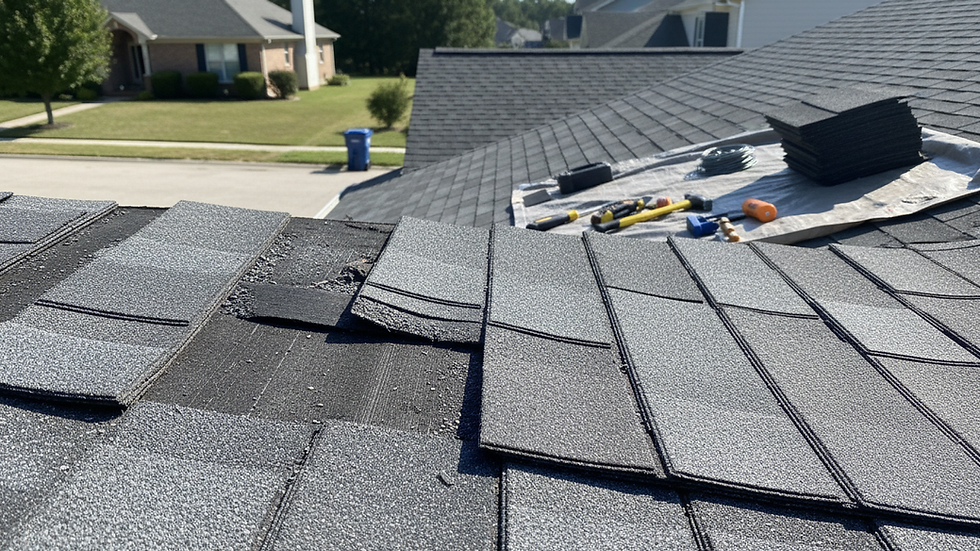
Missing or damaged shingles: If you notice shingles that are cracked, curled, or missing entirely, it’s a clear sign your roof is struggling.
Granules in gutters: Asphalt shingles shed granules as they age. If you find a lot of granules collecting in your gutters, your roof’s protective layer is wearing thin.
Sagging roof deck: A sagging roof is a serious issue. It usually means the underlying structure is compromised and needs immediate attention.
Leaks and water stains: Water spots on your ceiling or walls indicate leaks. Even small leaks can cause big problems if left untreated.
Daylight through roof boards: Go into your attic during the day and look for spots where sunlight shines through. This means your roof has holes or gaps.
These indicators are not just cosmetic issues. They affect your home’s safety and energy efficiency. If you spot any of these, it’s time to call a professional for an inspection.
How many years does a roof usually last?
The lifespan of a roof depends on several factors, including the materials used, climate, and maintenance. Here’s a quick overview of typical roof lifespans:
Asphalt shingles: 15 to 30 years
Metal roofs: 40 to 70 years
Wood shingles or shakes: 20 to 40 years
Clay or concrete tiles: 50+ years
Slate roofs: 75 to 100 years
Keep in mind that these are general estimates. Harsh weather, poor installation, or lack of maintenance can shorten a roof’s life. Regular inspections and upkeep can help you get the most out of your roof.
If your roof is approaching the upper end of its expected lifespan, it’s wise to start planning for replacement. Waiting too long can lead to costly repairs or even structural damage.
Visible Damage and Its Impact on Your Home
Sometimes, damage to your roof is easy to spot. Other times, it hides in plain sight. Here are some visible signs that your roof may be failing:
Cracked or missing shingles: These expose your roof to water damage.
Curling or buckling shingles: This means the shingles are past their prime and losing their protective qualities.
Moss or algae growth: While moss might look harmless, it traps moisture and can cause shingles to deteriorate faster.
Rust spots on flashing: Flashing protects joints and edges. Rust means it’s no longer doing its job.
Damaged or clogged gutters: Gutters that overflow or sag can cause water to back up under your roof.
Ignoring these signs can lead to leaks, mold growth, and even damage to your home’s interior. It’s better to address visible damage early before it worsens.

What to Do When You Notice Roof Problems
If you notice any of the signs mentioned above, here’s what you should do next:
Schedule a professional roof inspection: A qualified roofer can assess the damage and recommend repairs or replacement.
Document the damage: Take photos and notes. This can help with insurance claims if needed.
Get multiple quotes: Don’t settle for the first estimate. Compare prices and services.
Consider your budget and timeline: Roof replacement is an investment. Plan accordingly.
Maintain your roof regularly: Clean gutters, remove debris, and trim overhanging branches to extend your roof’s life.
Remember, a well-maintained roof protects your home and family. Don’t wait until a small problem becomes a big headache.
Why Timely Roof Replacement Matters
Replacing your roof at the right time has several benefits:
Protects your home’s structure: A damaged roof can lead to water infiltration, causing rot and mold.
Improves energy efficiency: New roofs often have better insulation and ventilation.
Increases curb appeal: A fresh roof boosts your home’s appearance and value.
Prevents costly repairs: Fixing a roof early is usually cheaper than dealing with extensive damage later.
Enhances safety: A sturdy roof keeps your family safe during storms and harsh weather.
By paying attention to roof replacement indicators, you can avoid emergency repairs and enjoy peace of mind.
Final Thoughts on Roof Replacement Indicators
Your roof is a critical part of your home’s defense system. Knowing the signs you need a new roof helps you act before problems escalate. Keep an eye out for damaged shingles, leaks, sagging, and other warning signs. Regular inspections and maintenance go a long way in extending your roof’s life.
If your roof is showing its age or damage, don’t hesitate to consult a professional. Timely replacement protects your investment and keeps your home safe and comfortable for years to come.


Comments